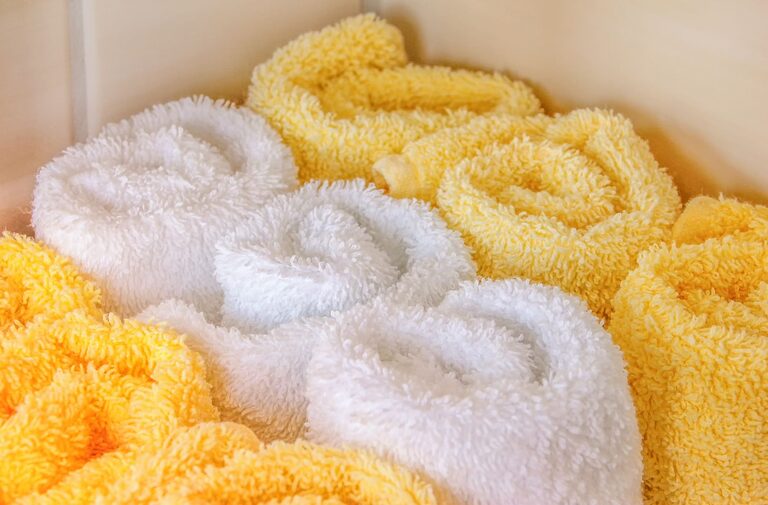
Towels are everyday essentials that we use multiple times throughout the day. Whether it’s after a shower, a swim, or washing your hands, a soft, fluffy towel can make all the difference in comfort. However, towels can quickly become rough, stiff, or develop unpleasant odors if not cared for properly. The good news is that with the right habits and simple techniques, you can keep your towels feeling fresh and fluffy for much longer.
In this post, we’ll explore practical tips to care for your towels, including washing, drying, and storage advice.
Why Towels Lose Their Softness and Freshness
Before diving into tips, it’s helpful to understand why towels can lose their fluffiness:
– Residue buildup: Detergents, fabric softeners, and minerals from hard water can build up in towel fibers, making them stiff.
– Overdrying: High heat or excessive drying times can damage fibers and reduce softness.
– Improper washing: Using too much detergent or washing towels with heavy items can cause wear.
– Moisture and mildew: If towels don’t dry completely between uses, they can develop odors and mildew.
With this in mind, here are some ways to keep your towels plush and fresh.
Choosing the Right Towels
Starting with quality towels can make a big difference:
– Material: Cotton towels, especially Egyptian or Turkish cotton, are known for softness and absorbency.
– Weight: Towels with a GSM (grams per square meter) between 400 and 600 offer good absorbency and plushness without being too heavy.
– Weave: Towels with a dense, looped weave tend to stay fluffier longer.
If you’re shopping for new towels, check product details for these features.
Proper Washing Techniques
The way you wash your towels affects how soft and fresh they remain.
1. Don’t Overdo the Detergent
Using too much detergent can leave residue that stiffens towel fibers. Use the recommended amount or even a little less when washing towels.
2. Skip Fabric Softeners
While fabric softeners seem like a good idea, they actually coat towel fibers and reduce absorbency and fluffiness. Instead, consider natural alternatives to soften towels (more on this below).
3. Wash in Warm Water
Warm water helps remove oils and residues better than cold water but avoid hot water, which can weaken fibers over time.
4. Wash Towels Separately
Wash towels separately from clothes to prevent friction with zippers or buttons that can damage fibers.
5. Use Vinegar or Baking Soda
Adding half a cup of white vinegar or half a cup of baking soda to the wash cycle can help break down detergent residue and odors, keeping towels fresh and soft.
Drying Towels Correctly
How you dry your towels affects their fluffiness and durability.
1. Use a Moderate Heat Setting
High heat can damage fibers, so choose a medium or low heat setting. Overdrying causes stiffness and wear.
2. Remove Towels While Slightly Damp
Take towels out of the dryer before they’re completely dry and let them air dry the rest of the way. This prevents overdrying and fabric damage.
3. Add Dryer Balls
Using wool or rubber dryer balls helps lift and separate towel fibers during drying, resulting in more fluffiness and faster drying time.
4. Avoid Overloading the Dryer
Too many towels in one load can prevent proper tumbling and drying, leading to stiffness.
Refreshing Towels Between Uses
Even with good laundry practices, towels can lose their freshness between washes.
– Hang towels spread out: Avoid folding or bunching up wet towels. Hanging them fully open allows air to circulate and prevents mildew.
– Rotate towels: Use different towels in rotation to give each time to dry and air out.
– Spray with a refreshing mist: A light spray of diluted essential oils mixed with water can help freshen towels. Avoid saturating.
Storing Towels Properly
How you store towels after drying matters too:
– Keep them dry: Store towels in a dry, well-ventilated space.
– Avoid stacking too tightly: Give towels some breathing room to avoid trapping moisture.
– Use sachets: Include lavender or cedar sachets in storage to maintain a fresh scent.
Additional Tips for Long-Lasting Towels
– Avoid bleach: Bleach weakens fibers and causes yellowing.
– Wash new towels before use: New towels often have finishing chemicals that can reduce absorbency.
– Trim loose threads: Carefully cut any loose threads to avoid unraveling.
– Replace old towels as needed: Over time, fibers break down. If towels become overly stiff or thin, it’s time to replace them.
Conclusion
Caring for your towels doesn’t have to be complicated. By following these simple washing, drying, and storing tips, you can keep your towels feeling soft, fluffy, and fresh longer. The next time you wrap yourself in a cozy towel, you’ll appreciate the extra comfort that good care provides.
Remember, gentle handling and avoiding harsh chemicals are the keys to extending the life of your towels. Happy laundering!
About the Author