Starting a small herb garden indoors is a rewarding and practical way to bring fresh flavors to your cooking while brightening your living space. Whether you have limited outdoor space or want fresh herbs at your fingertips throughout the year, growing herbs indoors is easier than you might think. This guide will walk you through everything you need to know to start a thriving indoor herb garden, from choosing the right herbs to caring for your plants.
Why Grow Herbs Indoors?
Indoor herb gardening offers several benefits:
– Freshness: Pick herbs whenever you need them for the best flavor.
– Convenience: No need to run to the store; herbs are just a step away.
– Year-round growth: Enjoy your garden despite weather or season.
– Space-saving: Perfect for apartments or homes without outdoor gardens.
– Air quality: Some herbs can help improve indoor air.
Step 1: Choosing Your Herbs
Not all herbs thrive indoors, so start with varieties known for growing well inside. Popular beginner-friendly herbs include:
– Basil: Needs plenty of sunlight and warmth.
– Mint: Very hardy and can grow in less light.
– Parsley: Prefers medium light; great for garnishes.
– Chives: Easy to grow and tolerates some shade.
– Thyme: Likes bright light and well-drained soil.
– Oregano: Thrives in sunny spots and is drought tolerant.
Pick herbs that you frequently use in your cooking to make the most of your garden.
Step 2: Selecting Containers
Choosing the right containers is important for healthy herb growth.
– Size: Start with pots that are 4-6 inches deep to give roots room to grow.
– Material: Clay or terracotta pots allow better air circulation, but plastic is lightweight and retains moisture well.
– Drainage: Make sure containers have drainage holes to prevent waterlogged soil.
You can also get creative with containers—mason jars, recycled tins, or decorative pots all work well.
Step 3: Picking the Right Soil
Herbs need well-draining soil to thrive indoors.
– Use a high-quality potting mix formulated for indoor plants.
– Avoid garden soil which may be too dense or contain pests.
– Consider adding perlite or vermiculite to improve drainage.
Step 4: Finding the Ideal Location
Most herbs require a good amount of sunlight to grow well.
– Aim for a south- or west-facing window that receives 6-8 hours of direct sunlight daily.
– If natural light is limited, consider using a grow light designed for plants.
– Avoid drafty areas or spots near heating vents where temperature fluctuates.
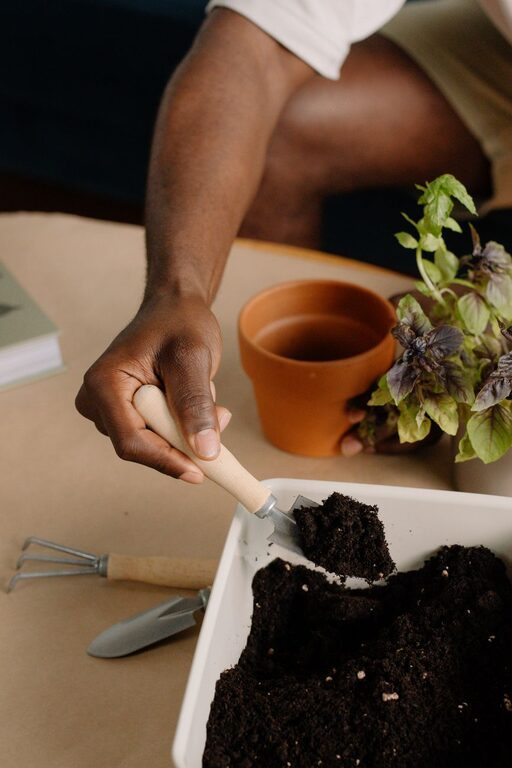
Step 5: Planting Your Herbs
You can start herbs indoors from seeds or buy young plants from a nursery.
– Starting from seeds: Follow the seed packet instructions for depth and spacing. Keep soil moist but not soggy.
– Using seedlings: Gently transplant into your containers, giving roots room to spread.
Water the soil immediately after planting and place pots in their designated sunny spots.
Step 6: Watering and Feeding
Indoor herbs have specific watering needs:
– Water when the top inch of soil feels dry.
– Avoid overwatering; too much moisture can lead to root rot.
– Use room temperature water to avoid shocking plants.
Feed your herbs every 4-6 weeks with a balanced liquid fertilizer diluted to half strength. This encourages healthy leaf growth and flavor.
Step 7: Pruning and Harvesting
Regular pruning keeps herbs bushy and productive.
– Pinch off the tops of herbs like basil and mint to encourage branching.
– Harvest leaves as needed, but avoid cutting more than one-third of the plant at a time.
– Remove any yellow or dead leaves promptly to maintain plant health.
Troubleshooting Common Problems
Growing herbs indoors is mostly straightforward, but watch out for these issues:
– Leggy plants: Lack of sunlight causes spindly growth; add more light.
– Yellow leaves: Could indicate overwatering or nutrient deficiency.
– Pests: Occasionally, herbs attract aphids or spider mites; wipe leaves or use insecticidal soap if needed.
Tips for Success
– Rotate pots every few days to ensure even growth.
– Use saucers under pots to catch excess water.
– Group herbs with similar light and water needs together.
– Experiment with different containers and layouts to fit your space.
Conclusion
Starting a small indoor herb garden is a fun and fulfilling project that adds beauty and utility to your home. With just a few pots, some quality soil, and the right location, you can enjoy fresh herbs year-round. Follow these steps, and you’ll soon have a thriving collection of flavorful plants ready to enhance your meals and living space.
Happy gardening!
About the Author