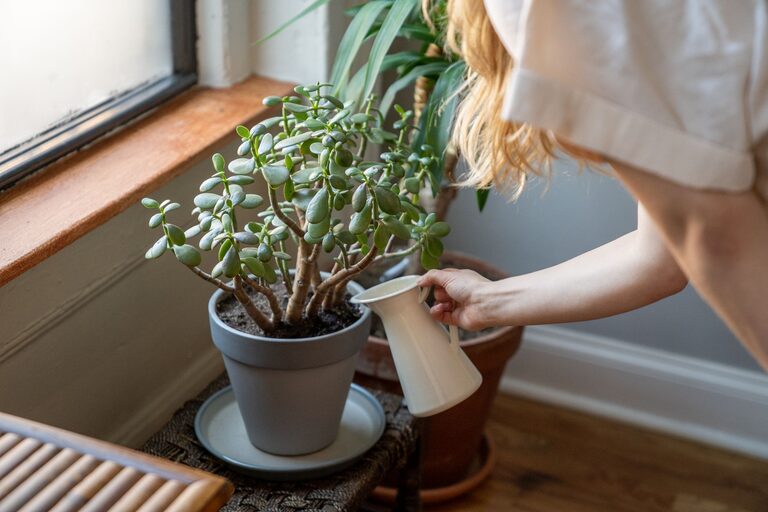
Bringing houseplants into your home is a wonderful way to add life, color, and a touch of nature to your living space. However, keeping plants healthy can sometimes be a challenge, especially for beginners. Whether you have a collection of tropical plants, succulents, or leafy greens, understanding their care needs is essential to ensure they thrive.
This guide offers practical tips that will help you maintain the health and beauty of your houseplants. From watering to light requirements, you’ll learn how to create the best environment for your green companions.
Understanding Your Plant’s Needs
Every plant species has unique requirements. To keep your plants happy, start by learning about their specific needs:
– Light: Some plants love bright sunlight, while others prefer indirect or low light.
– Water: Overwatering or underwatering is a common cause of plant stress.
– Humidity: Tropical plants often need higher humidity than desert plants.
– Temperature: Most houseplants prefer average room temperatures but avoid drafts or extreme fluctuations.
Knowing these basics will help you tailor your care routine effectively.
Choosing the Right Location
Placing your plants in an appropriate spot can make a big difference in their health.
Light Considerations
– Bright, direct light: Good for succulents, cacti, and some flowering plants.
– Bright, indirect light: Ideal for many ferns, pothos, and peace lilies.
– Low light: Suitable for snake plants, ZZ plants, and some philodendrons.
Observe how the light changes throughout the day in your home, and adjust your plants’ location accordingly.
Temperature and Drafts
– Keep plants away from air vents, heaters, and drafty windows.
– Maintain a stable temperature—most houseplants thrive between 65°F and 75°F.
Watering Wisely
Watering is a key part of plant care, but it requires balance.
How to Water
– Check the soil moisture before watering. Use your finger to feel about an inch below the surface.
– Water thoroughly until excess runs out the drainage holes. Discard any standing water in saucers.
– Allow the soil to dry slightly between watering to prevent root rot.
Signs of Overwatering or Underwatering
– Overwatering: Yellowing leaves, mushy stems, and moldy soil.
– Underwatering: Wilting, dry leaves, or crispy edges.
Adjust your watering schedule based on your observations and the season.
Feeding Your Plants
Houseplants benefit from regular feeding, especially during active growth periods.
– Use a balanced, water-soluble fertilizer every 4–6 weeks in spring and summer.
– Reduce or stop fertilizing in fall and winter when growth slows.
– Follow package instructions to avoid overfeeding, which can damage roots.
Maintaining Proper Humidity
Many houseplants, especially tropical varieties, enjoy higher humidity.
Tips to Increase Humidity
– Group plants together to create a microenvironment.
– Use a humidity tray filled with water and pebbles beneath the pots.
– Mist leaves regularly with water, especially in dry indoor air.
– Consider a humidifier in particularly dry rooms.
Pruning and Cleaning
Regular maintenance helps plants look their best and encourages healthy growth.
– Remove dead or yellowing leaves promptly.
– Trim leggy or overgrown stems to promote bushier growth.
– Wipe leaves occasionally with a damp cloth to remove dust, improving photosynthesis.
Repotting When Needed
Repotting gives growing plants fresh soil and more space.
– Repot every 1–2 years or when roots outgrow the pot.
– Choose a pot slightly larger than the current one with drainage holes.
– Use appropriate potting mix for your plant’s species.
Keeping Plants Pest-Free
Common pests like spider mites, aphids, and mealybugs can affect indoor plants.
– Inspect plants regularly for signs of pests.
– Wipe affected leaves with soapy water or use insecticidal soap.
– Quarantine new plants before introducing them to your collection.
Final Thoughts
Caring for houseplants is a rewarding hobby that brings beauty and freshness into your home. With attention to their unique needs and consistent care, your plants will flourish and brighten your living space for years to come.
Remember that plants, like people, may have occasional setbacks, but patience and observation are key. Happy gardening!
About the Author